
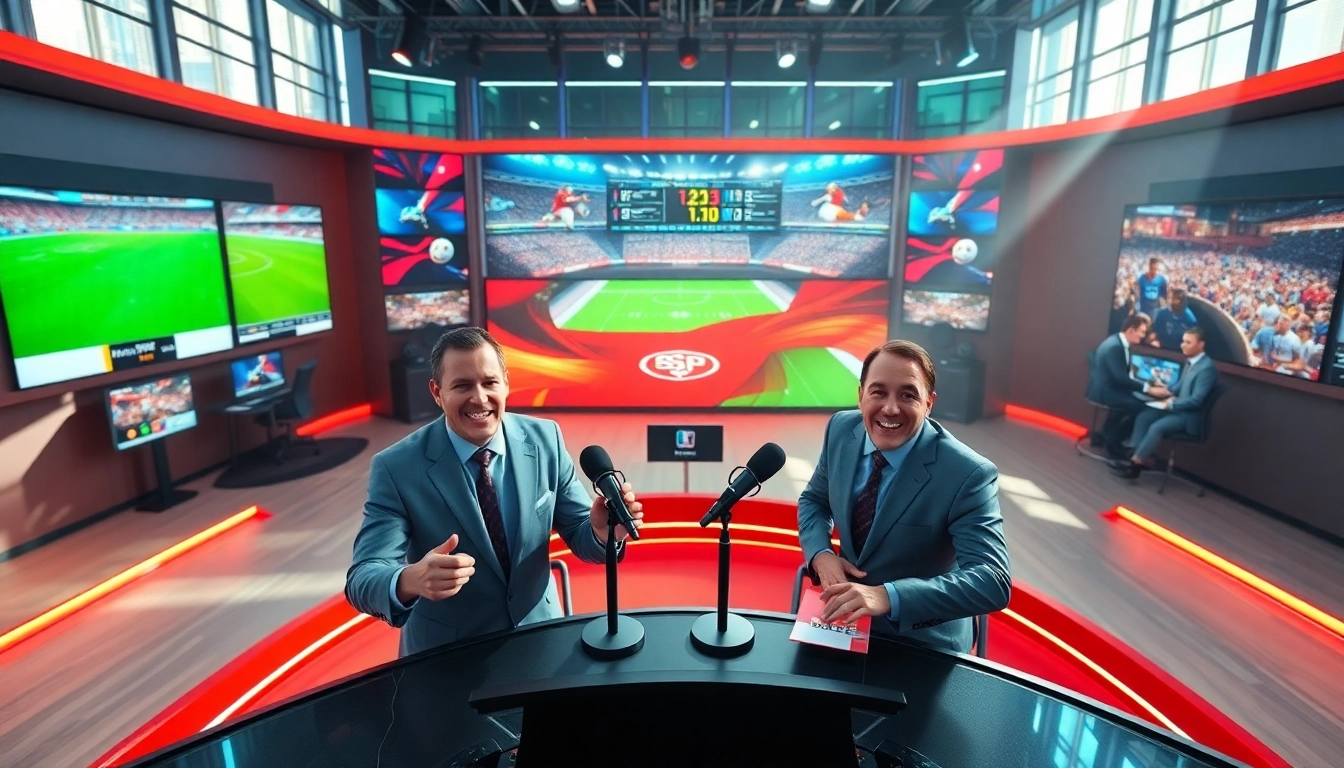
Understanding Sports Broadcasting Basics
What is Sports Broadcasting?
Sports broadcasting is the dissemination of sports events via various platforms, allowing audiences to experience the excitement of live action remotely. This includes television broadcasts, radio shows, and streaming services, providing updates and commentary on games, player statistics, and relevant analysis. Sports Broadcasting has evolved over the years, becoming an integral aspect of sporting culture and fan engagement.
The Evolution of Sports Broadcasting
The history of sports broadcasting dates back to the early 20th century, initially beginning with radio broadcasts that provided real-time game updates. The introduction of television in the 1950s changed the landscape, enabling fans to watch games live in their living rooms. Advances in technology, such as satellite and cable television, further enhanced viewing experiences, allowing for multiple angles and replays. In the 21st century, the advent of the internet and mobile devices has given rise to streaming, enabling fans to access games anytime, anywhere.
Key Platforms for Sports Broadcasting
Today, sports broadcasting is available on a variety of platforms. Traditional television remains a major player, with networks dedicating entire channels to sports coverage. Cable channels offer specialized programming, while digital platforms such as social media and dedicated sports streaming services have emerged as formidable competitors. Mobile applications also play a key role, providing live updates and exclusive content that keeps fans engaged during games and events.
Essential Skills for Sports Broadcasters
Communication and Presentation Skills
At the heart of effective sports broadcasting lies strong communication and presentation skills. Broadcasters must convey information clearly and engagingly, often under pressure during live events. The ability to articulate thoughts quickly and confidently is essential, as well as mastering the art of storytelling to captivate audiences. Developing a unique broadcasting style enhances viewer connection and establishes a broadcaster’s identity.
Knowledge of Sports and Rules
A successful sports broadcaster must possess an in-depth understanding of the sports they cover, including rules, player stats, team dynamics, and historical context. This knowledge not only enhances commentary but also fosters credibility among audiences. Continuous learning through research, attending games, and engaging with sports communities can help broadcasters stay informed about the latest developments and trends.
Technical Skills for Broadcasting
In addition to soft skills, technical proficiency is crucial in sports broadcasting. Familiarity with broadcasting equipment, production techniques, and software is necessary. This includes knowledge of sound mixing, camera operation, graphics integration, and live-streaming platforms. Broadcasters often work alongside technical teams and must understand how to collaborate effectively to ensure seamless broadcasts.
Current Trends in Sports Broadcasting
Impact of Technology on Sports Broadcasting
Technology has revolutionized sports broadcasting, enhancing viewer engagement through high-definition visuals, real-time stats, and interactive features. Virtual and augmented reality offer immersive experiences that allow fans to feel as though they are part of the action. Data analytics also provide valuable insights into player performance and game strategy, leading to more informed commentary and engaging narratives.
Rise of Streaming Services
The shift towards streaming services has disrupted traditional broadcasting models. Platforms like Netflix, Hulu, and specialized sports streaming services have emerged, providing on-demand content and exclusive coverage that appeals to younger audiences. This trend underscores the necessity for traditional networks to adapt and innovate, often leading to partnerships that enhance their digital offering.
Interactive Broadcasting Experiences
Interactive broadcasting experiences are transforming how viewers engage with sporting events. Features such as live polls, social media integration, and real-time chats enhance communication between broadcasters and audiences. Viewers can react, ask questions, and share opinions, creating a sense of community that traditional broadcasting formats struggle to replicate.
Challenges in Sports Broadcasting
Handling Technical Glitches
Technical glitches are inevitable, especially in live broadcasts. Whether it’s a signal loss, audio disruption, or equipment failure, broadcasters must be prepared to handle these situations gracefully. Developing contingency plans and ensuring smooth communication with production teams can mitigate negative impacts and maintain viewer trust in the broadcast’s reliability.
Maintaining Audience Engagement
In an era of information overload, capturing and retaining audience attention presents a significant challenge. Broadcasters must create compelling narratives and interactive content to engage viewers effectively. Tailoring broadcasts to specific demographics and utilizing social media for real-time interaction can foster a deeper connection with the audience, encouraging them to stay engaged throughout the event.
Ethical Considerations in Reporting
Ethical considerations are paramount in sports broadcasting, where responsible reporting can significantly impact public perception and player reputations. Broadcasters must strive for accuracy, ensuring they verify facts before reporting and refrain from sensationalism, particularly regarding controversial issues. Upholding ethical standards fosters credibility and trust among audiences.
Future Directions in Sports Broadcasting
Potential Innovations on the Horizon
As technology continues to evolve, numerous innovations are expected to shape the future of sports broadcasting. Enhanced real-time analytics, AI-driven commentary, and virtual reality experiences could redefine how fans consume sports content. Embracing these innovations will require broadcasters to adapt swiftly and stay ahead of trends to remain competitive in a rapidly changing landscape.
The Role of Social Media
Social media is increasingly playing a pivotal role in sports broadcasting. Platforms like Twitter, Instagram, and TikTok offer unique channels for reaching audiences and allowing for immediate interaction. Broadcasters can utilize these platforms to share clips, engage in discussions, and build a community around sports narratives, leading to increased audience loyalty and engagement.
Predicting Viewer Trends
Understanding viewer trends is vital for tailoring broadcasts effectively. Trends show a growing preference for mobile viewing, particularly among younger audiences. Analysts predict increased demand for personalized content that caters to individual preferences. Broadcasters must continually assess viewer behavior and feedback to adapt their strategies accordingly, ensuring relevance in a competitive marketplace.
FAQs
What are the main types of sports broadcasting?
Sports broadcasting includes live TV shows, radio broadcasts, streaming platforms, and online video coverage of events.
How can someone enter the sports broadcasting field?
Entry usually requires a background in journalism, broadcasting, or communications, along with experience through internships.
What are the main challenges faced by sports broadcasters?
Challenges include technical issues, ensuring accurate reporting, handling live broadcasts, and engaging a diverse audience.
How does technology impact sports broadcasting?
Technology enhances viewer experience through high-definition video, real-time stats, and interactive features on streaming platforms.
What trends are shaping the future of sports broadcasting?
Key trends include the rise of mobile streaming, increased use of social media for engagement, and immersive viewing experiences.